
OURS+GO | Office of Undergraduate Research in STEM + Graduate Opportunities
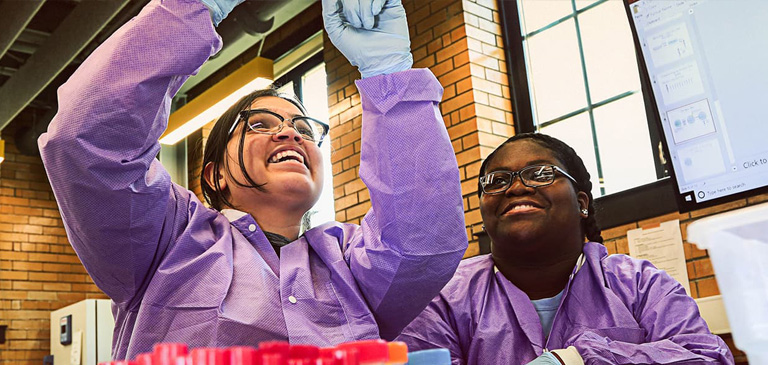
Undergraduate research is an excellent way to gain hands-on experience, develop professional skills, and explore new career and graduate school opportunities. At the University of Detroit Mercy, the Office of Undergraduate Research in STEM + Graduate Opportunities (OURS+GO) helps students in the College of Engineering & Science connect with research opportunities—no prior experience required. We can give you some guidance on how to get started.
Step 1: Reflect on what draws you to research
The first step in starting research is thinking about why it interests you and being able to articulate how it aligns with your interests.
Questions to consider:
There is no single “right” answer—following your curiosity will help you find the best fit.
Step 2: Get some advice
Talk to your academic advisor about research.
Meet with one of the OURS+GO Team:
Sarah James, Coordinator OURS+GO
Dr. Kendra Evans, Faculty Co-Director OURS+GO
Dr. Nicole Najor, Faculty Co-Director OURS+GO
Step 3: Get some initial research experience.
It will help you get into a faculty’s research lab if you already have some experience.
Here are some options!
For in-coming Science students, consider registering for one of the introductory research courses listed below:
Step 4: Start Talking to Faculty You Know – Network!
Faculty put a lot of time and effort into training their research students. They are looking for students who have a real curiosity and drive to help move their research forward.
Step 5: Connect with a Research Mentor
Once you have built a relationship with a faculty member or two, and have done some prep work to get yourself ready, the next step is finding a faculty mentor.
Ways to Get Started:
Start with faculty who knows you to see if they have an opening in their lab.
Review faculty profiles, mentor statements and/or websites. Visit the Department of Chemistry and Biochemistry Department or Biology Department websites and click on faculty member’s name of interest.
BE PERSISTENT! Building these connections will expand your academic network and help you find the right research opportunity. There are a variety of pathways into research – we can help with directions!
Talk to your academic advisor or contact a member of the OURS+GO team.
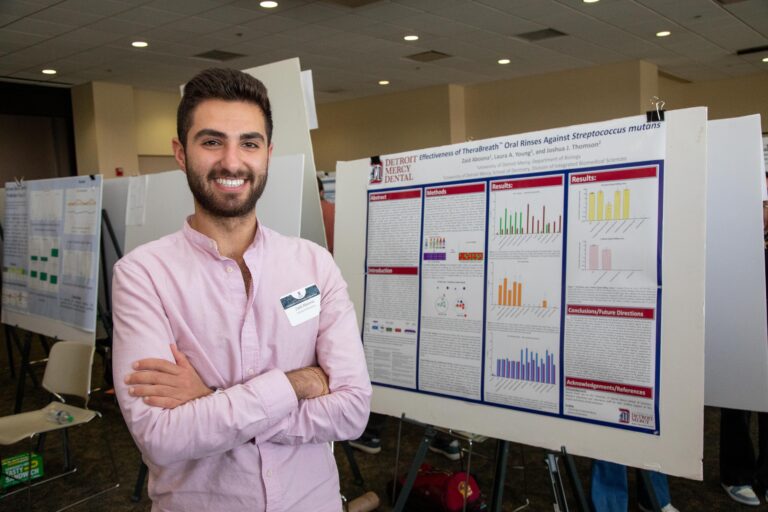
Your opportunity to explore groundbreaking ideas and present your work to your peers and the campus community.
Whether you're just starting your research journey or ready to share your findings, these events are for you!