
OURS+GO | Office of Undergraduate Research in STEM + Graduate Opportunities
Share Your Work

Prepare & Present Your Research

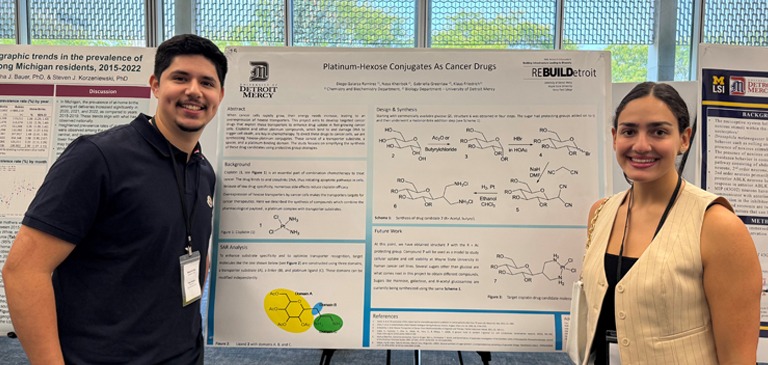
students presenting research posters

Sharing your research effectively is an essential part of being a scholar and a scientist.

There are many ways to communicate your work to different audiences, including:  

  • Oral Presentations: Deliver a talk to peers, faculty, or at conferences to explain your research goals, methods, and findings.
  • Elevator Pitches: Summarize your research in 1–2 minutes for general audiences or networking settings.
  • Poster Presentations: Combine visuals and concise text to showcase your research at symposia or conferences. 
  • Journal Articles: Publish your work in academic journals to contribute to the scholarly conversation in your field.  


Each format helps you develop communication skills, receive feedback, and make your research accessible to broader communities.
 

Prepare A Scientific Research Poster

Preparing a scientific research poster is a multi-step process that involves planning, content development, design, and presentation. Below are some resources to guide you in preparing your poster, followed by outlined steps to guide you through the process.

Resources

Key Steps:

  1. Plan and Gather Requirements
    • Check conference or event guidelines (size, format, required sections)  
    • Consult your mentor or faculty advisor for advice and approval  
    • Consult with all coauthors for advice and approval  
    • Review poster samples and templates for ideas  
       
  1. Develop Content
    • Identify your core message or key findings  
    • Organize content into standard sections: 
      • Title: Concise and descriptive  
      • Authors and University Affiliations  
      • Abstract (if required): Brief summary of objectives, methods, and findings  
      • Introduction/Background: Context and significance of your research  
      • Research Question/Hypothesis: Clearly state what you are investigating  
      • Methods: Summarize procedures, can use a flow chart for clarity  
      • Results: Present main findings with visuals (charts, graphs, images)  
      • Conclusions/Discussion: Highlight significance, implications, and future directions  
      • References and Acknowledgments: Cite sources and thank contributors/funding  
         
  1. Design the Poster
    • Use clear headings, bullet points, and concise text5  
    • Prioritize visuals over dense text—use graphs, diagrams, and images to communicate data  
    • Maintain a logical flow and organized layout (left-to-right or top-to-bottom)  
    • Choose readable fonts and appropriate colors for clarity and emphasis  
    • Use software like PowerPoint or Illustrator  
       
  1. Review and Revise
    • Get feedback from mentors or peers  
    • Check for clarity, visual appeal, and adherence to guidelines  
    • Proofread for errors.  
  •  

Presenting A Research Poster

Presenting a research poster lets you share your work, highlight key findings, and engage your audience visually. Strong presentations use clear communication and active interaction to make your research memorable. Use the one-pager and video below to help you prepare and present effectively.

Resources

Key Steps:

  1. Print Your Poster
    • Print the poster in the correct size and format.  

  2. Practice your presentation—be ready to give a guided tour and answer questions.  

OURS+GO
Create. Explore. Discover.

Quick Links

Get Advice

Talk to your academic advisor or contact a member of the OURS+GO team.
Sarah James, OURS+GO Coordinator
Kendra Evans, OURS+GO
Co-Director, Professor of Chemistry
Nicole Najor, OURS+GO Co-Director, Associate Professor of Biology
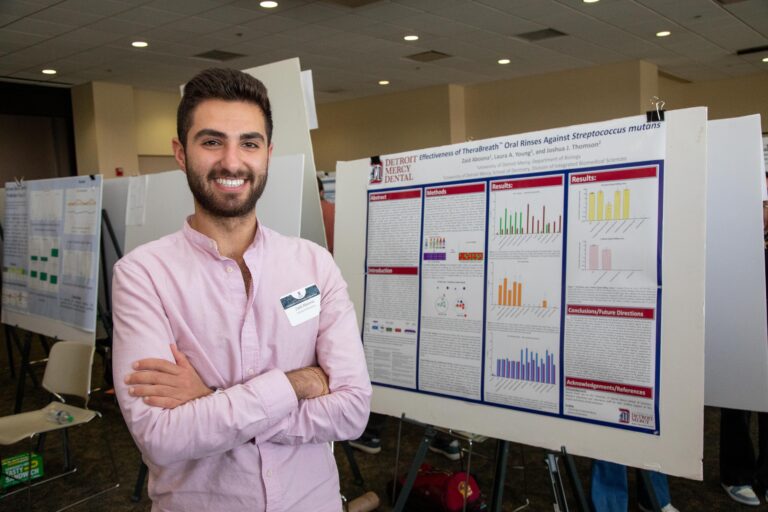
photo of research presenter

Calendar of Events

Whether you’re just starting your research journey or ready to share your findings, these events are for you!